¡Hola, amgios! ¿Cómo están?
This past week, I’ve been working with my students on demonstratives and possessive pronouns, and I’ve noticed something interesting, these topics seem simple at first, but they can be tricky when speaking!
For example, many learners mix up "este" (this) and "ese" (that) or hesitate when choosing between "mío" or “mía” (mine) and "tuyo" or “tuya” (yours)."
So, let’s break it down clearly and simply so you can use these confidently in conversations.
📌 Understanding Demonstratives & Possessive Pronouns
Demonstratives: How to Say "This," "That," and "That Over There"
In Spanish, demonstrative adjectives (this, that, these, those) change based on gender and number:
English | Masculine | Feminine |
|---|
This | Este libro 📖 | Esta casa 🏡 |
These | Estos zapatos 👟 | Estas sillas 🪑 |
That | Ese coche 🚗 | Esa mesa 🍽️ |
Those | Esos perros 🐶 | Esas flores 🌸 |
That over there | Aquel árbol 🌳 | Aquella montaña ⛰️ |
Quiero esta camisa, no esa. (I want this shirt, not that one.)
¿Me pasas aquel libro en la estantería? (Can you hand me that book over there on the shelf?)
Understanding the difference between ESTO / ESO and ESTE / ESE
✅ "Esto" & "Eso" → Used alone (no noun needed)
¿Qué es esto? (What is this?)
No entiendo eso que dijiste. (I don’t understand that you said.)
✅ "Este" & "Ese" → Always followed by a masculine noun
Me gusta este coche. (I like this car.)
Voy a comprar ese libro. (I’m going to buy that book.)
📌 Rule of Thumb: If there's no noun after it, use esto/eso. If there is a masculine noun, use este/ese!
Possessive Pronouns: Saying "Mine," "Yours," "Theirs"
Possessive pronouns replace a noun when it’s already understood.
English | Masculine Singular | Feminine Singular | Masculine Plural | Feminine Plural |
|---|
Mine | Mío | Mía | Míos | Mías |
Yours | Tuyo | Tuya | Tuyos | Tuyas |
His/Hers/Yours (formal) | Suyo | Suya | Suyos | Suyas |
Ours | Nuestro | Nuestra | Nuestros | Nuestras |
Theirs/Yours (plural) | Suyo | Suya | Suyos | Suyas |
¿De quién es este café? – Es mío. (Whose coffee is this? – It's mine.)
Estos libros no son tuyos, son nuestros. (These books aren’t yours, they’re ours.)
¿Ese coche es suyo o tuyo? (Is that car his/hers or yours?)
Want to practice what you’ve learned? Download this editable worksheet where you can type your answers directly.
✉️ Complete it and send it back to receive the answer key for review!
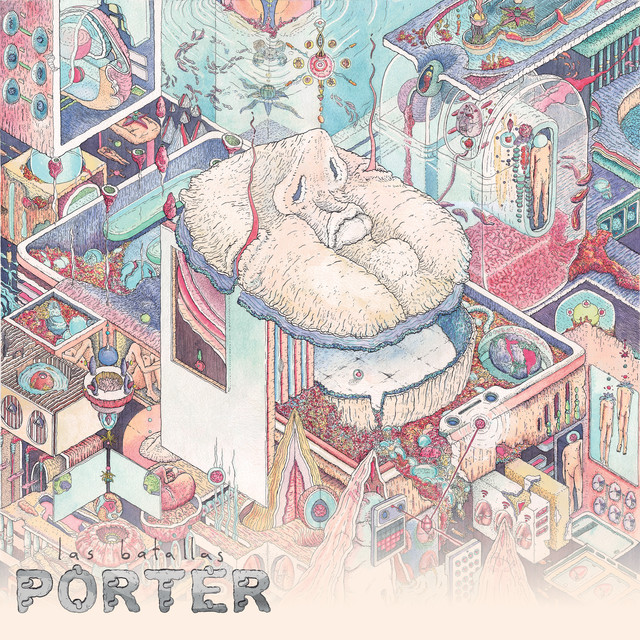
🎵 Song of the Week: "Pájaros" – Porter
This week’s song is "Pájaros" by Porter, a beautifully poetic song with deep lyrics that are great for expanding your vocabulary.
Gracias por leer
Espero que esta explicación y la hoja de práctica te ayuden a usar los demostrativos y pronombres posesivos con más confianza.
Hasta la próxima semana.
Un abrazo,
Alejandro Nuñez
Founder & Director