

¡Hola! 👋🏻
Welcome to Master Spanish Weekly. Every Friday, I will send you one clear lesson, a song to train your ear, and a few small extras to keep Spanish present in your week.
¡Vamos a aprender!
This week’s lesson
📘 Reflexive Verbs Really Change the Meaning
Here's something that really confuses almost every learner at some point. In Spanish, making a verb reflexive can completely change what it means.
This is useful to understand early, because if you treat the two forms as the same word, your sentences can end up saying something you didn't intend.
Let's practice with three common examples:
1. DORMIR vs. DORMIRSE
Dormir = to sleep. The activity, the hours of rest.
Dormirse = to fall asleep. The specific moment your eyes close.
Dormí ocho horas anoche. → I slept eight hours last night.
Me dormí viendo la película. → I fell asleep watching the movie.
2. LEVANTAR vs. LEVANTARSE
Levantar = to lift or raise something.
Levantarse = to get up. To raise yourself.
Levanté la caja del suelo. → I lifted the box off the floor.
Me levanto a las seis todos los días. → I get up at six every day.
The base verb acts on an object. The reflexive form turns the action back on you: you're the one being lifted out of bed.
3. COMER vs. COMERSE
Comer = to eat.
Comerse = to eat up. To finish something completely, often with enjoyment.
Como verduras todos los días. → I eat vegetables every day.
Me comí toda la pizza yo solo. → I ate the whole pizza by myself.
Both are correct, but comerse adds the sense of finishing the entire thing. You'll hear native speakers use it all the time when they want that extra emphasis.
Here are more pairs that look alike but mean different things:
Base verb | Reflexive version |
|---|---|
ir — to go | irse — to leave, to go away |
acordar — to agree | acordarse — to remember |
quedar — to arrange to meet | quedarse — to stay, to remain |
poner — to put | ponerse — to put on (clothes) / to become |
llevar — to carry | llevarse (bien/mal) - to get along (or not) with someone |
parecer — to seem | parecerse — to look alike, to resemble |
volver — to return | volverse — to become / to turn around |
probar — to try, to taste | probarse — to try on (clothes) |
despedir — to fire (someone) | despedirse — to say goodbye |
fijar — to fasten, to fix | fijarse — to notice, to pay attention |
negar — to deny | negarse — to refuse |
Let’s test your knowledge!
✏️ Mini Quiz: Test Yourself
Five quick sentences. For each one, choose the form that fits the meaning.
Cada mañana ______ a las seis para ir al trabajo. (levanto / me levanto)
¿Puedes ______ esa caja? Pesa mucho. (levantar / levantarte)
Estaba tan cansado que ______ en el sofá. (dormí / me dormí)
Tenía mucha hambre y ______ toda la pizza yo solo. (comí / me comí)
No ______ dónde dejé las llaves. (acuerdo / me acuerdo)
🎬 This Week's Reel
🎬 This Week's Reel
I walked through this same idea in a short reel (just posted) on Instagram/Facebook. If you're a visual learner, it's a good 1-minute review of today's lesson.
🎧 Song of the Week:
🎧 Make Spanish Part of Your Day
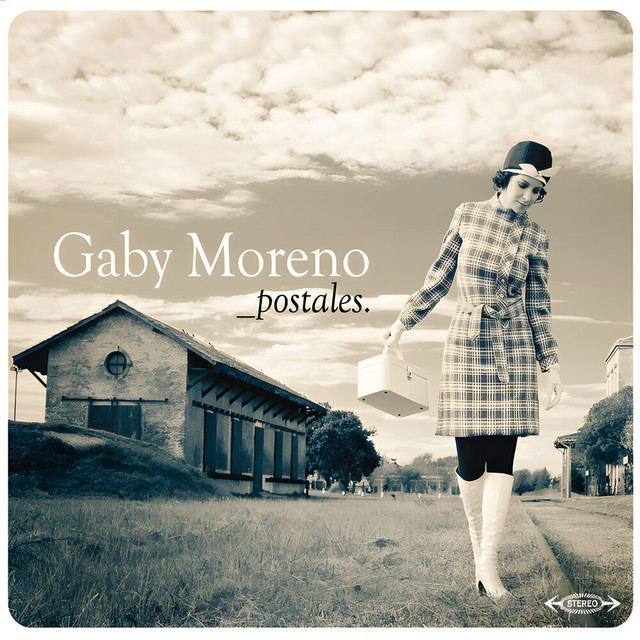
Song of the Week: "Quizás, Quizás, Quizás" by Gaby Moreno
A great song for learners: slow, clear, and built on a repeating chorus. It’s a 1947 bolero by Cuban composer Osvaldo Farrés that gets a warm version from Guatemalan artist Gaby Moreno.
The story is simple: one person keeps asking cuándo, cómo y dónde and keeps hearing the same answer: quizás.
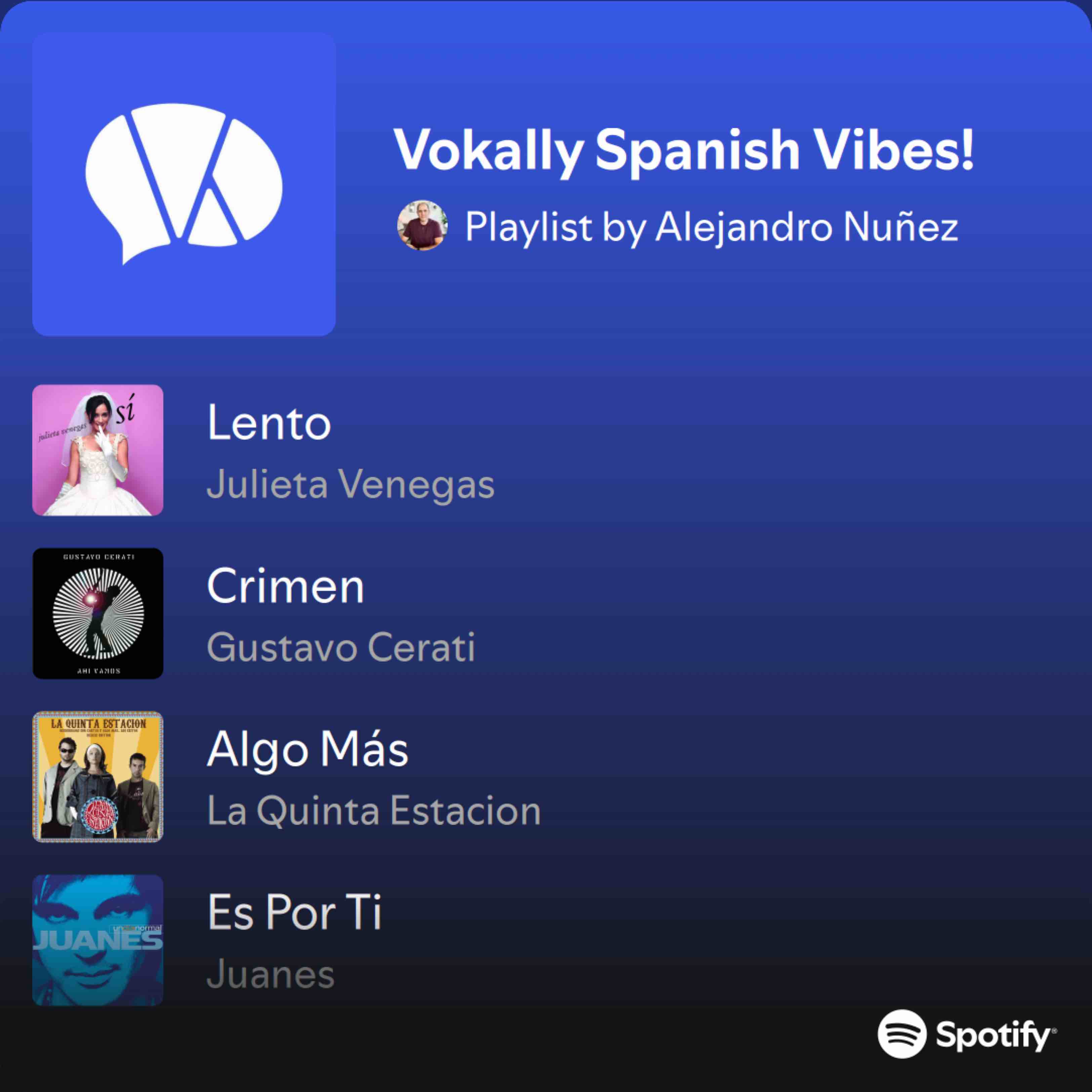
For more listening, here's Vokally’s playlist. Put it on while you cook, drive, or work, and let the language run in the background:
¡Gracias por leer mi newsletter!
¡Gracias!
Gracias por leer, por tu curiosidad y por dedicarle un poco de tu tiempo al español esta semana.
Nos vemos el próximo viernes.

